
We Would Love To Hear From You.
* Your information will be kept strictly confidential.
* Share your needs with us, We’ll contact you in very short time.

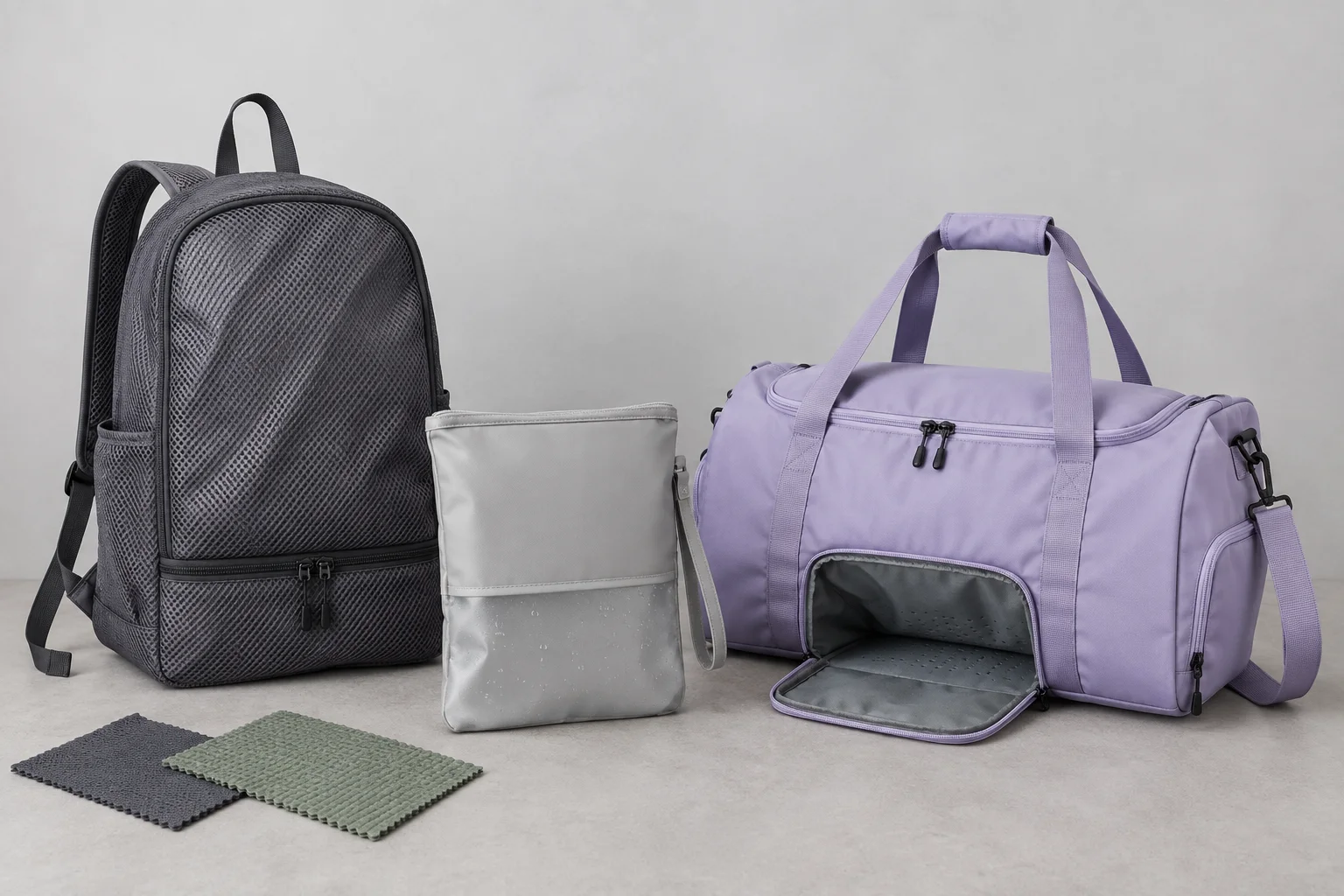
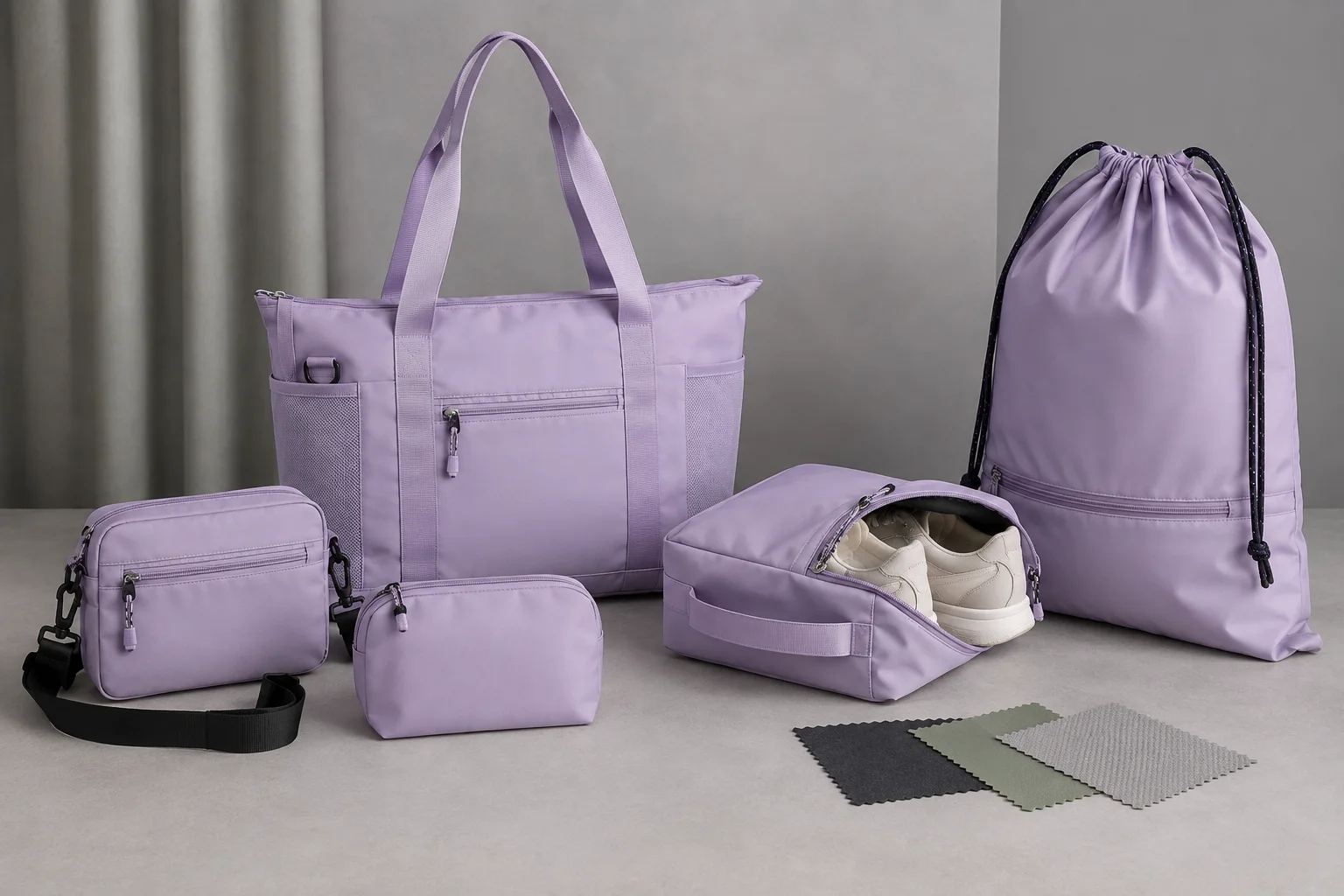
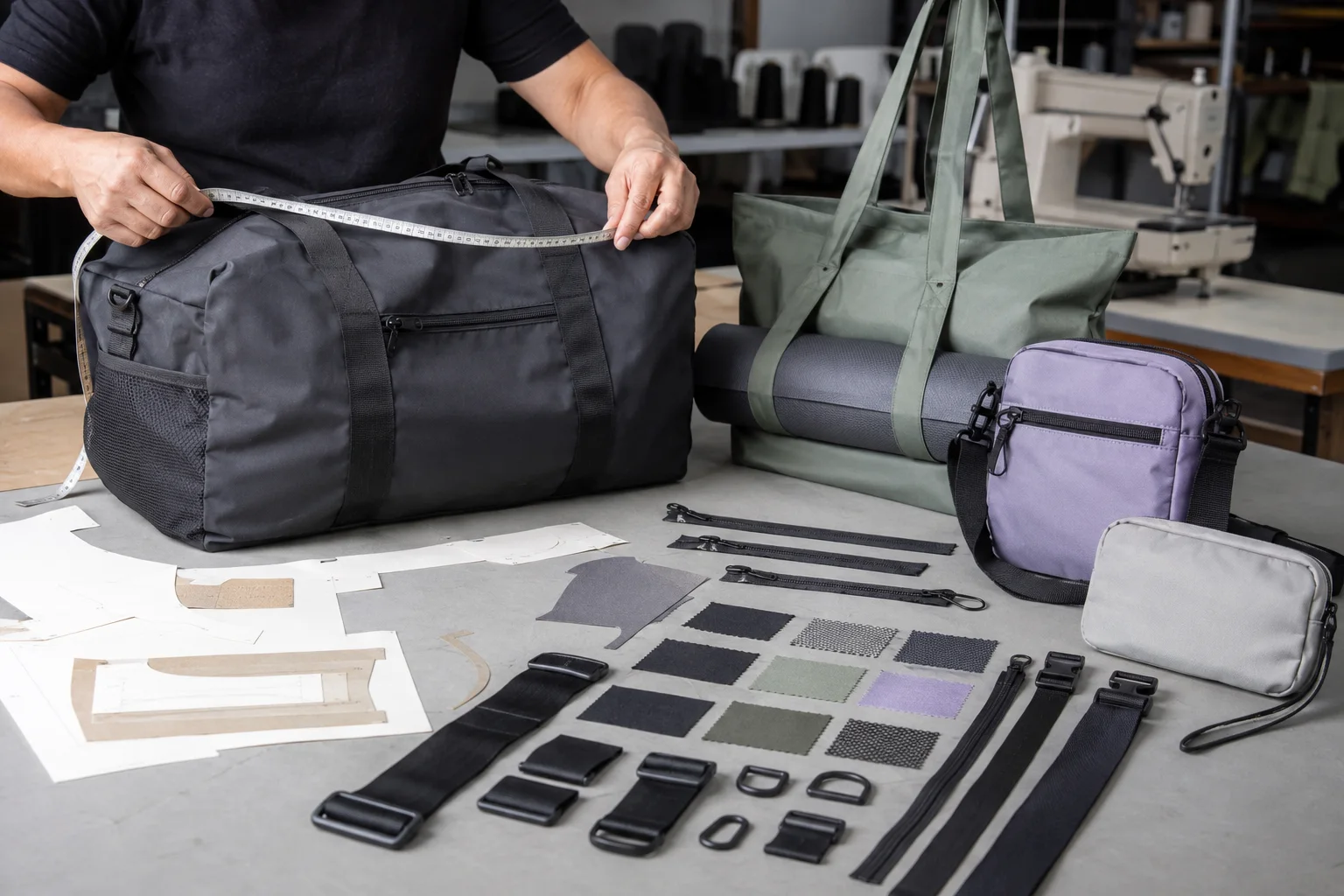


A swim bag has to hold water in, or let water out, on purpose: those are opposite constructions. A TPU or PVC wet duffel depends on weld width and a zipper tape that is itself welded, plus a hanging loop and a drain so the bag can empty in a locker; without the drain and loop, wet kit sits in a closed puddle and the next failure is odour and coating breakdown. Mesh swim bags and shower caddies go the other way: 100–200 GSM mesh with bound seams and placed drain grommets, not a fashion mesh that collapses and holds sand against the skin.
Chlorine and salt degrade cheap PU coatings long before a gym-floor abrasion test would fail the same fabric. If the programme is for pools or open water, say so on the specification and ask for a coating or a fabric that has been checked for that use; do not reuse a gym-duffel PU as a default. Seam placement decides leakage on welded bodies: a weld that stops short of a corner, or a handle root sewn through a waterproof panel, creates a leak that no coating on the face will fix. Compare welded duffels, mesh sacks and wet pouches in the swim and wet-gear range on these points, and keep gym wet-dry gym bags on a construction that matches how wet the kit actually is.
